
GLP-1 Medications: A Complete Guide to Safe, Sustainable Weight Loss
GLP-1 receptor agonists have transformed obesity medicine. Here's a friendly, plain-English guide to how they work, who they're for, and how to use them alongside lasting lifestyle change.
Dr. Elena Marsh
Endocrinologist

If you've heard friends, family, or your doctor mention GLP-1 medications for weight loss, there's a good reason. GLP-1 receptor agonists have completely reshaped how clinicians approach weight management over the last few years. These medications help you feel satisfied with smaller portions, quiet the food noise, and make lasting change feel achievable for the first time for many people.
This guide walks through what GLP-1 medications are, how they work, who they're for, and how to use them as a tool — not a shortcut — for sustainable weight loss. If you're considering medical weight loss, this is your starting point.
How GLP-1 Medications Work
The hormone GLP-1 is naturally released in your gut after you eat. It signals fullness to your brain, slows stomach emptying so you stay satisfied longer, and helps your pancreas manage blood glucose. The medication versions last far longer in your body than the natural hormone, giving you day-long appetite regulation.
In plain terms: GLP-1s turn down the volume on hunger and craving. They don't do the work for you, but they make the work feel possible. That's why they're so powerful when paired with good nutrition and movement habits.
Who Should Consider GLP-1 Therapy
GLP-1 therapy is generally considered for adults with a BMI of 30 or higher, or 27 and above with weight-related conditions such as type 2 diabetes, hypertension, or high cholesterol. But numbers alone don't tell the whole story — a clinician needs to evaluate your full medical history before prescribing.
This is also where comparing options gets useful. If you're weighing specific medications, our semaglutide vs. tirzepatide comparison breaks down the two most common choices in detail.
Building Lasting Habits on a GLP-1
Medication is a tool, not a destination. The most durable results come from pairing therapy with habits that protect your muscle, your metabolism, and your relationship with food:
- Protein-forward, fiber-rich meals that keep you satisfied
- Regular resistance training to preserve muscle while you lose fat
- Adequate sleep and stress management — both quietly drive appetite
- A consistent follow-up cadence with your provider
If you're not sure where to start with food, our protein for weight loss guide explains why protein is the single most underrated tool in any fat-loss plan. And for movement, movement that sticks helps you build an exercise habit you'll actually keep.
Weight loss is medical care. It deserves the same structure and follow-through as any other chronic condition.
What to Expect in the First Months
Early weeks often bring the most noticeable changes in appetite — many people describe it as the food noise finally going quiet. Side effects, when they occur, are usually gastrointestinal and tend to ease as the dose is gradually titrated upward. Patience with the titration schedule matters; going slow is a feature, not a bug.
The American Diabetes Association and the Obesity Medicine Association both publish patient-friendly resources on what to expect when starting these medications.
Key Takeaways
- GLP-1 medications mimic a natural fullness hormone to reduce appetite and regulate blood sugar.
- They're typically for adults with a BMI of 30+, or 27+ with weight-related conditions.
- The best results come from pairing medication with protein, resistance training, and sleep.
- Side effects are usually gastrointestinal and ease as your dose is slowly increased.
- Always work with a clinician — GLP-1s are a medical tool, not a do-it-yourself shortcut.
Medical disclaimer: This article is for educational purposes only and is not medical advice. Always consult a licensed healthcare professional before starting, changing, or stopping any treatment.
Related reading

Compounded GLP-1 vs. FDA-Approved GLP-1 Medications: Safety, Risks & Key Differences in 2026
Compounded GLP-1 vs. FDA-approved GLP-1 medications: a friendly, plain-English guide to safety, legality in 2026, 503A vs. 503B pharmacies, dosing risks, and questions to ask before starting.
Dr. Elena Marsh
Endocrinologist

Semaglutide vs. Tirzepatide: Which GLP-1 Weight Loss Medication Is Right for You?
Semaglutide vs. tirzepatide: a friendly, plain-English comparison of the two leading GLP-1 weight loss medications — how they work, what the SURMOUNT-5 trial found, side effects, and how to choose with a clinician.
Dr. Elena Marsh
Endocrinologist
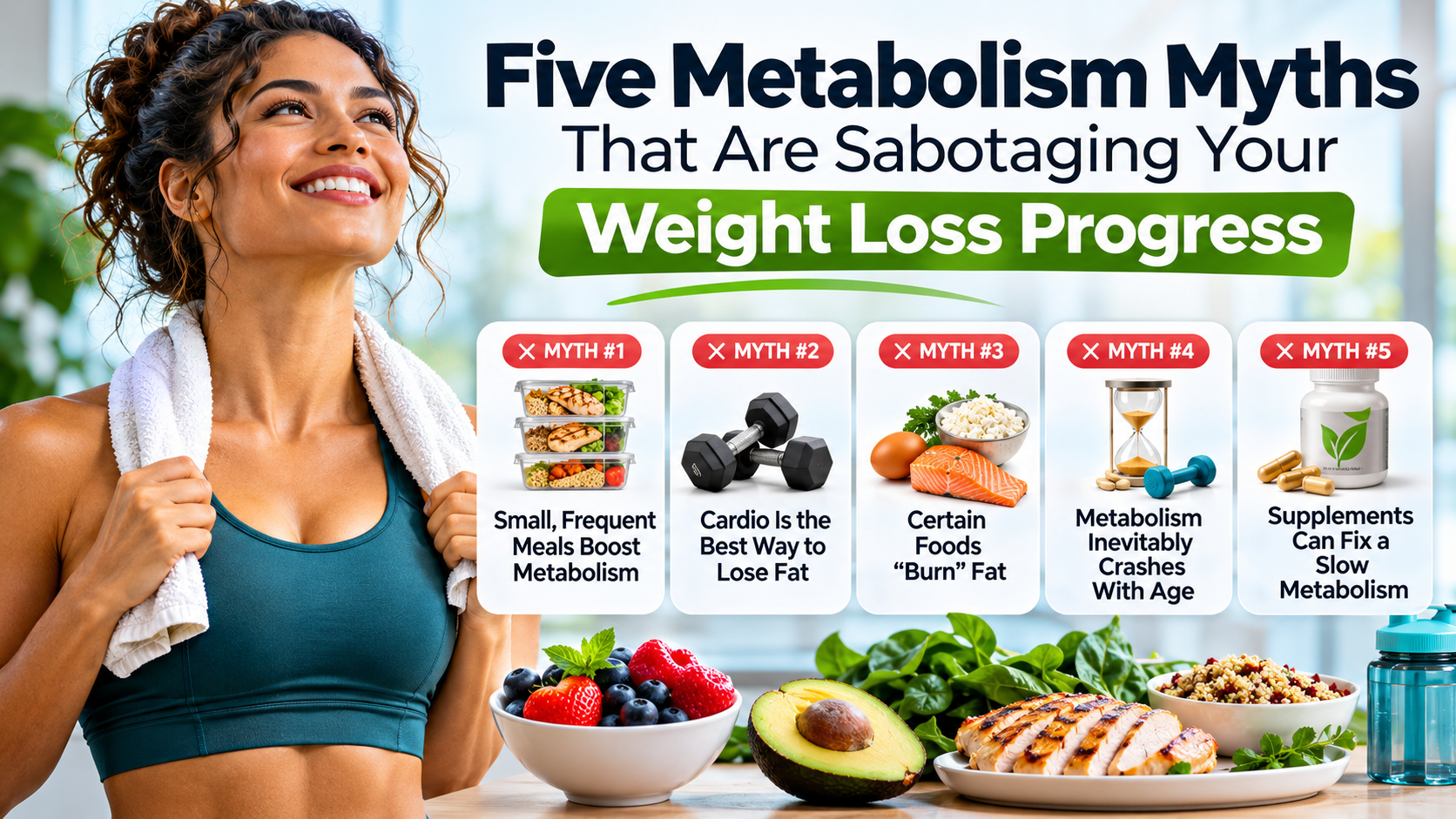
Five Metabolism Myths That Are Sabotaging Your Weight Loss Progress
From 'eating six meals speeds metabolism' to 'cardio is king,' let's separate the science from the folklore so you can stop wasting effort and start seeing results.
Nadia Brooks, RD
Registered Dietitian